If you tried AI image tools a year ago and walked away after seeing six fingers, melted faces, or text that looked like nonsense, it’s worth another look. The newer versions, including Nano Banana in Gemini and ChatGPT’s Image 2.0, are noticeably better. We had some fun testing one on our own photos, and the bigger takeaway for local businesses is that AI images are starting to be useful for real marketing work, with one important caveat.
Key Takeaways
- AI image tools are worth a second look. Better text, better detail, and better instruction-following make them genuinely useful for thumbnails, infographics, and concept work.
- AI images can package your expertise. They can’t replace your proof. Real photos of your team, your work, and your customers still carry the trust AI-generated images can’t.
- Concept work over exact likeness. AI is great for style guides, carousels, and infographics. Where brand or character consistency has to be perfect, it’s still better to go with the real thing.
What Got Better
The biggest improvement is text. That used to be the dead giveaway. Signs, labels, charts, infographic captions all fell apart fast. The newer tools handle text much more cleanly, follow more specific instructions, and render details (especially hands and faces) more reliably. If you tried this early on and were disappointed, the experience now is different enough to warrant a second try.
AI Images Are Going Mainstream
AI image features aren’t just in the dedicated image generators anymore. Google Photos is rolling out a digital wardrobe that organizes clothes from your photos, suggests outfits, and supports virtual try-ons. Google TV is adding image and VEO video creation tools, so people can transform photos, change backgrounds, swap outfits, or animate stills using voice prompts. None of this is for designers or prompt engineers. It’s for regular people. That tells you the technology is moving into mainstream behavior fast.
We Tried It on Ourselves
We built a custom GPT that takes a selfie and runs both a color analysis and a hairstyle analysis. We tested it on our own photos.
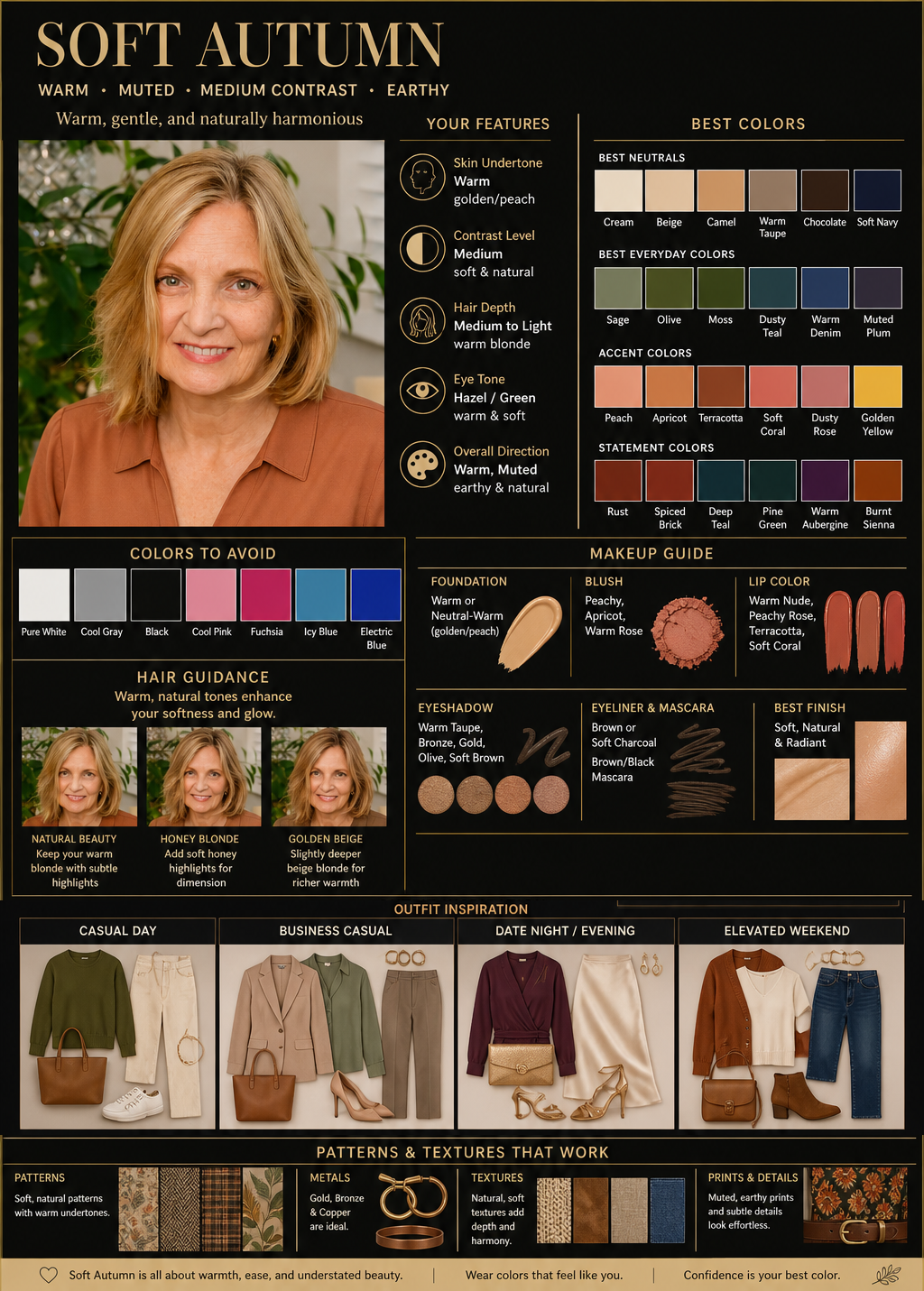
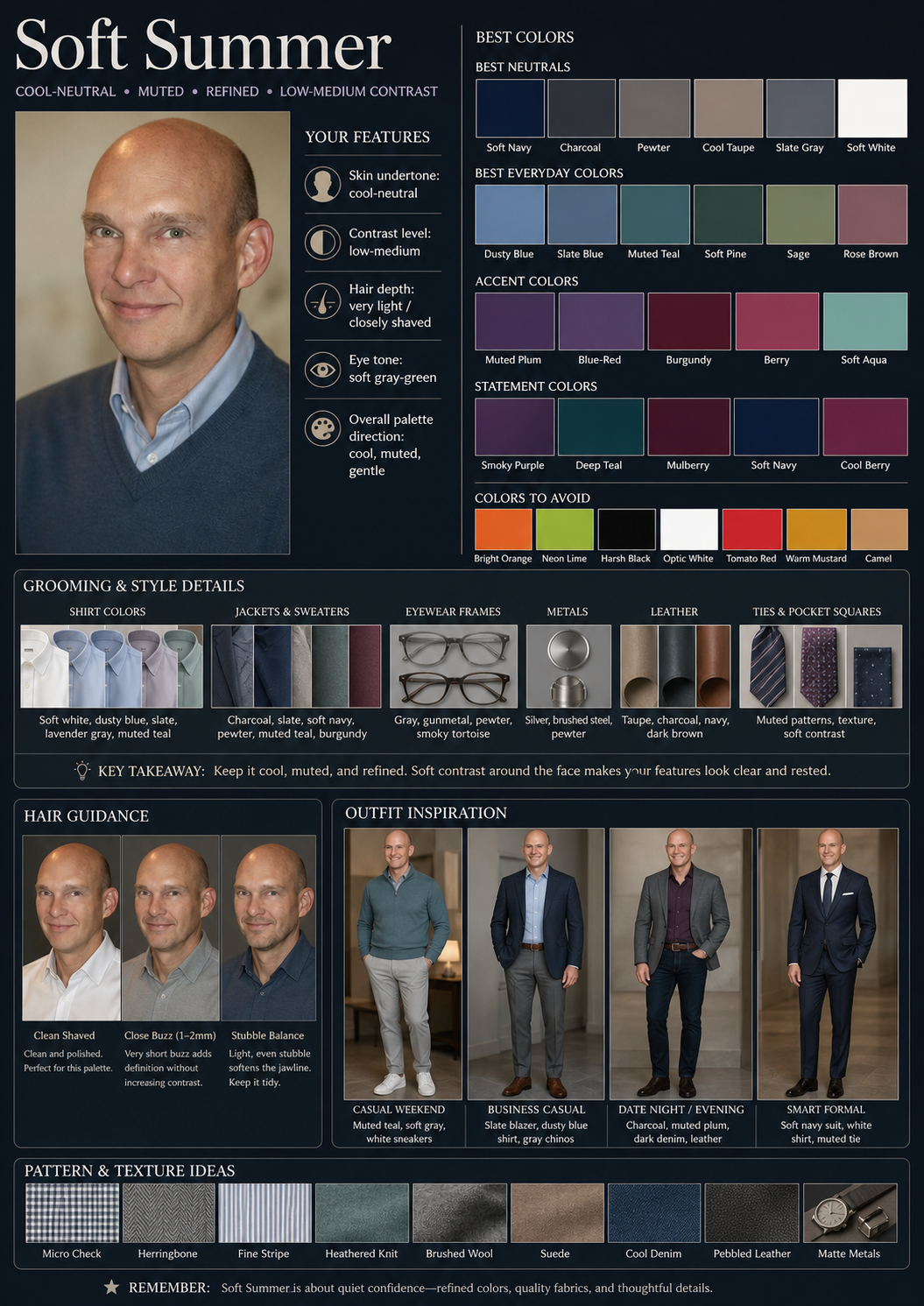
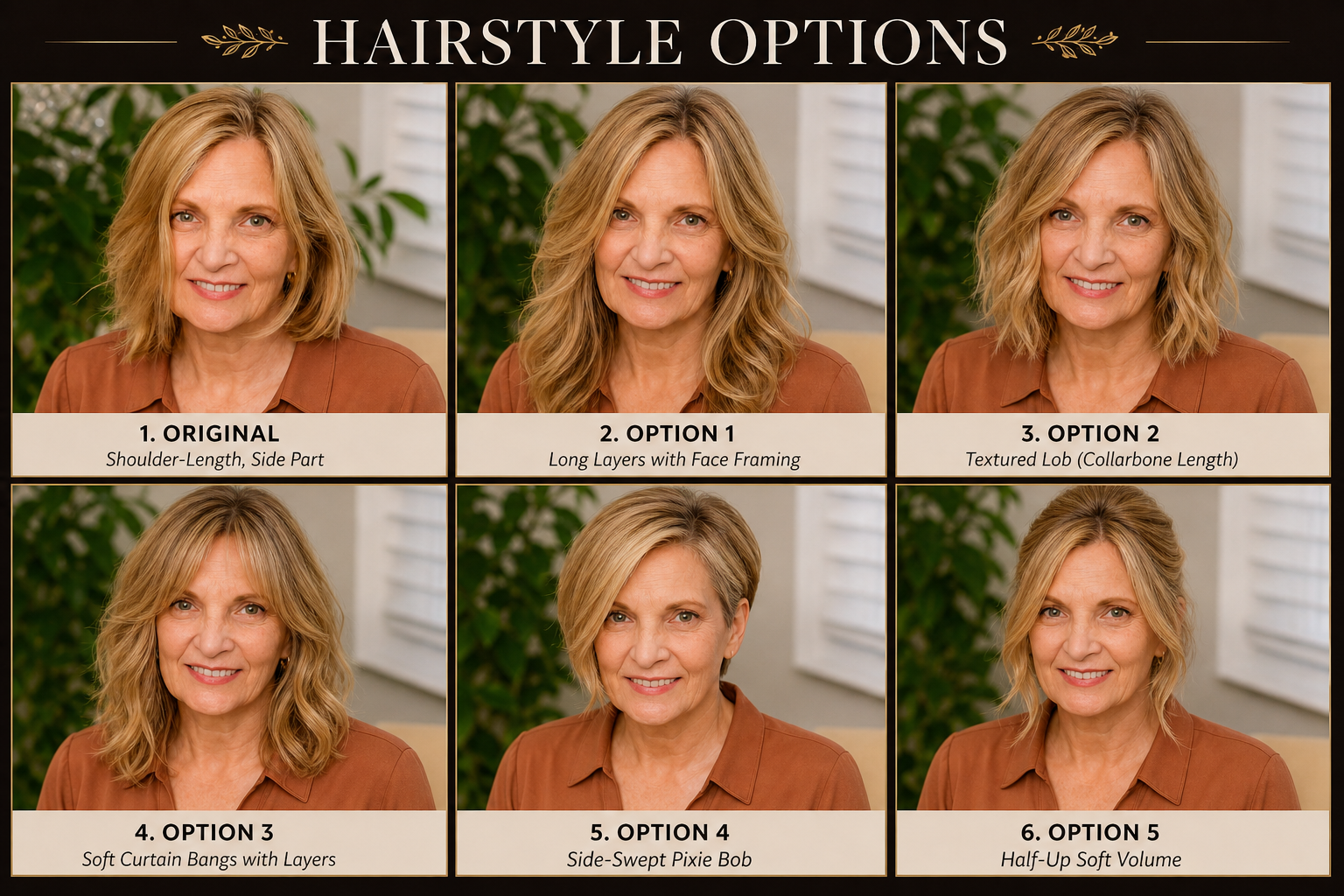
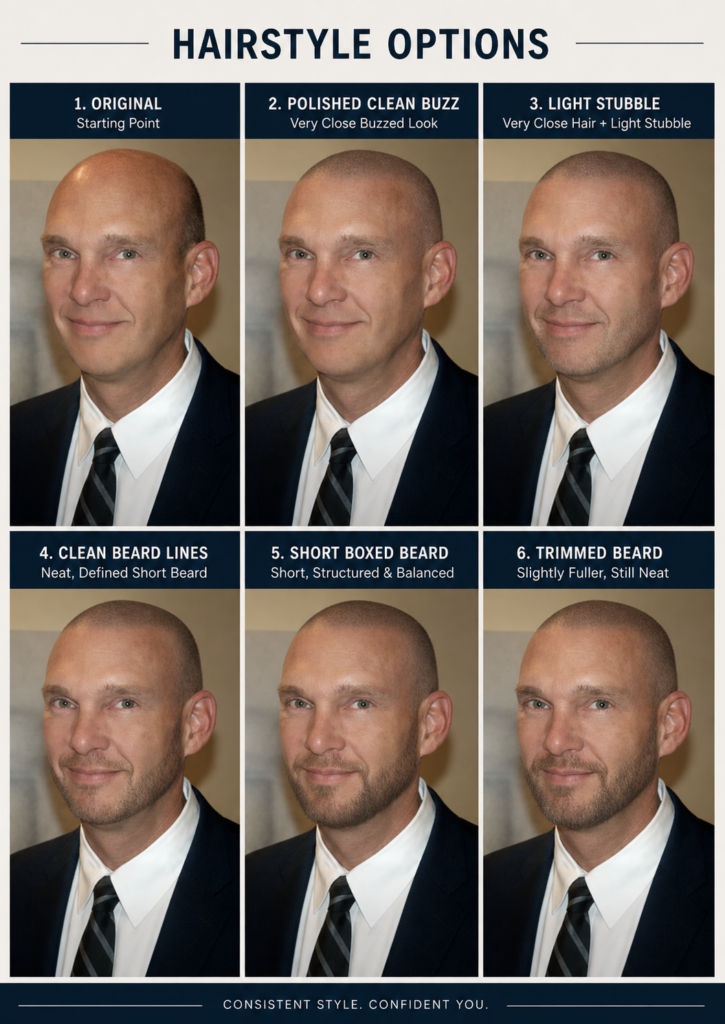
The color and style analysis was surprisingly thorough. We got palettes, makeup or grooming guidance, and outfit boards. The hairstyle analysis was fun too, though Bob admitted he doesn’t have a lot to work with.
It’s not the same as a real stylist or color consultant, and we wouldn’t pretend otherwise. But the visual format made the suggestions much easier to understand than a list of color codes. That’s the broader insight for marketing work: AI images can take an idea and make it visually clear in seconds.
Where AI Images Still Slip
The main weak spot is consistency. When the tool had to show the same person across multiple full outfits, the character drifted a bit, and it sometimes guessed the full body from a headshot. So if you need exact likeness or perfect brand consistency across a series of images, you’ll still want to clean things up or stick to single-shot use.
For concept boards, style guides, carousels, infographics, or thumbnails where the person or actual product isn’t the point, this isn’t a problem.
How to Use AI Images in Your Business
AI images can support your marketing in real ways: thumbnails for blog posts and videos, social carousels, simple infographics, concept visuals for a campaign, mood boards, or quick illustrations of an idea you’re trying to explain.
What they shouldn’t do is fake your business. Real photos of your team, your work, your space, your process, and your customers still carry the trust an AI-generated image can’t. Use AI to package an idea or visualize a concept. Don’t use it to invent a version of your business that doesn’t exist.
Three Things to Try This Week
Here’s where to focus:
- Try one fun AI image prompt to get reacquainted with how the tools have changed. (Our color and style GPT [LINK] is one option.)
- Try one business prompt tied to something you already have: an image for a recent blog post, a carousel cover, or a simple infographic concept.
- Before you publish anything, check the words, the details, and whether the image feels true to your business brand.
Use the Tool, Keep the Proof
AI image tools are worth your attention again. The capabilities have caught up enough to make them useful for everyday marketing work. Just keep using them where they help (packaging, visualizing, illustrating) and keep your real proof (your team, your customers, your work) at the center.
Do you prefer to listen in? Here’s our podcast:
Links in this episode: ChatGPT’s new Images 2.0 model is surprisingly good at generating text
Google Photos uses AI to make the iconic closet from ‘Clueless’ a reality
More Gemini features are coming to Google TV
Google Photos launches an AI try-on feature for clothes you already have